
Conferences & Business Events in Afghanistan
Structure conferences, seminars and business forums around a meaningful agenda, confirmed participants and coordinated event operations.
Conference programmes succeed when the purpose of each session is clear and participants know what to expect. A supporting event may involve speakers, moderators, delegates, presentation formats and technical requirements that differ from the trade-show floor. Amu Elite can discuss programme coordination as part of a defined exhibition or event proposal.
What the Service Can Deliver
Conference programmes succeed when the purpose of each session is clear and participants know what to expect. A supporting event may involve speakers, moderators, delegates, presentation formats and technical requirements that differ from the trade-show floor. Amu Elite can discuss programme coordination as part of a defined exhibition or event proposal.
Programme structure
Develop a session framework with topics, intended audiences, proposed learning or commercial outcomes, timing dependencies and relevant programme ownership.
Speaker & delegate coordination
Discuss invitation workflows, speaker information, moderator requirements, confirmations, arrival instructions and the approved process for agenda changes.
Room and technical brief
Clarify layout, seating, acoustics, accessibility, presentation inputs, display needs and potential interpretation. Equipment and suppliers must be agreed separately.
Delegate communication & follow-up
Prepare participation information, session access details and a programme update channel. Consider approved collection of feedback and agreed post-event follow-up items.
How We Coordinate This Service
Each phase is guided by a documented brief, agreed responsibilities and event-specific approvals. The sequence below outlines the planning approach—not a promise that unconfirmed suppliers or permissions are included.
Define the audience and purpose
Identify the forum topic, expected delegates, discussion outcomes and whether the programme is standalone or attached to an exhibition.
Design a draft agenda
Propose sessions, time blocks, moderators and technical needs while marking unconfirmed speakers and topics as provisional.
Verify delivery details
Coordinate approved invitations, the venue’s room specification, presenter materials and the session access arrangements.
Operate and review sessions
Follow the agreed run-of-show, support participant communications and document follow-up topics within the authorised scope.
Who This Service Is Designed For
Different stakeholders have different decisions to make. The right plan begins with who needs the service and why.
Industry organisers
Business associations and event teams planning sector discussions, conference tracks or structured knowledge exchange.
Commercial exhibitors
Companies considering product presentations, technical sessions or panel participation related to an exhibition audience.
Institutional participants
Stakeholders whose programme attendance requires invitations, agendas, protocol arrangements or official clearance.
Scope, Responsibilities & Approvals
A good proposal makes included coordination, external responsibilities and unconfirmed matters visible before anyone commits.
Programme coordination
Agenda structure, invitation communications, speaker information, schedules and event logistics can be proposed.
Specialist suppliers
Interpretation, audio systems, live streaming, catering and equipment must be itemised where needed.
Content responsibility
Speakers and programme owners remain responsible for their claims, professional opinions and required permissions.
What to Prepare Before Enquiring
Providing the right details at the start helps identify relevant options and prevents misunderstandings about the scope, prices or approvals.
- Conference or seminar theme and intended outcomes
- Audience groups and approximate delegate needs
- Proposed speakers, moderators or participating organisations
- Language, translation and interpretation requirements
- Preferred room layout, audiovisual and presentation needs
- Draft agenda, timings, security and institutional protocols
Who this is for
Companies and institutions planning a conference, business forum, corporate meeting or product launch.
What we plan around
The agenda, audience, speakers, event format, registration needs, room arrangements and delivery responsibilities. Technical production and supplier requirements should be specified and confirmed in the proposal.
Before selecting a format
Decide whether your priority is a presentation, discussion, launch or networking session. The intended outcome informs the programme, venue layout and practical arrangements.
Plan your next step
Share your objectives and constraints. Review the proposed scope and responsibilities, agree the participation or event requirements, then coordinate delivery against the agreed plan.
Related services
What to Expect After Your Enquiry
Define the conference objective, identify topic owners, draft an agenda, verify speaker participation, confirm venue and equipment requirements and issue the approved programme. Prepare an organiser contact for changes and delegate queries.
Commercial Value & Practical Boundaries
A focused conference can complement an exhibition by giving technical, policy or commercial topics a structured discussion format. Presentations and speakers must be confirmed before they are promoted as final.
Important Planning Considerations
These practical decisions are frequently overlooked when services are described only as broad promises.
Speaker confirmations
A proposed speaker is not a confirmed speaker. Programme pages should disclose changes promptly and avoid unsupported affiliations.
Session timing
Build adequate transition time for stage changes, questions, delegate movement and any interpretation requirements.
Hybrid and recording permissions
Do not assume a session may be streamed, recorded or distributed. Participant consent and technical provisions need a separate agreement.
Connecting Conference Sessions With the Exhibition Floor
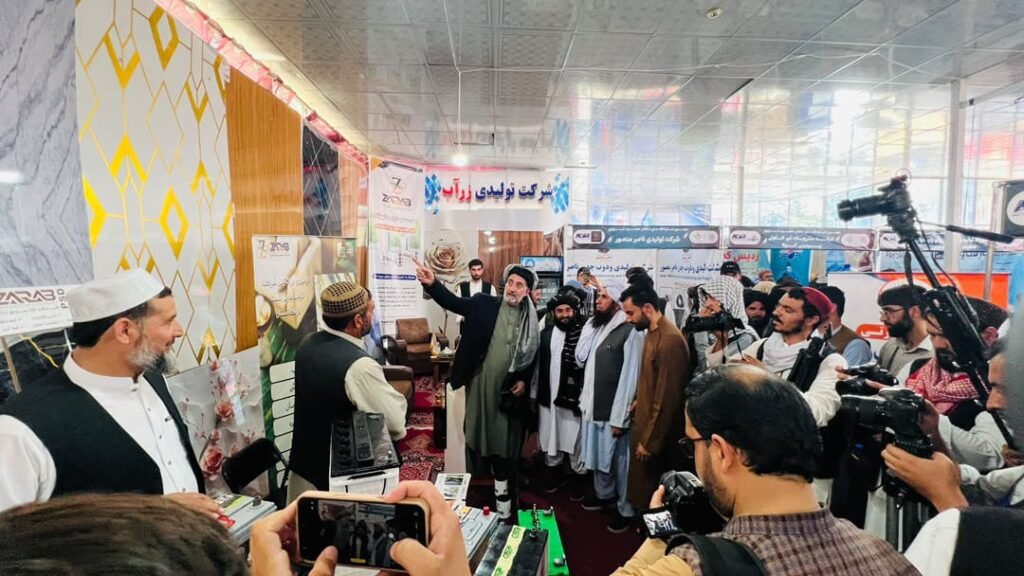
A proposed industry forum alongside trade displays needs a clear relationship between session timing and exhibitor activity. Identify the programme owner, intended delegates, language needs and the rooms or equipment required.
Planning detail
Use an agenda showing confirmed speakers separately from invitations in progress. Include transition time and communicate whether registration covers sessions, exhibition access or both.
Discuss this scope
Use the proposal form to explain your event and the decisions you need help coordinating. This example illustrates the planning approach; availability and service terms require a specific proposal.
Frequently Asked Questions
Can a conference run alongside an exhibition?
Yes, an exhibition programme may include supporting seminars or industry sessions if the venue, audience flow, speakers and organiser responsibilities allow it.
Do you supply speakers or interpreters?
Speaker sourcing, interpretation and audiovisual equipment should not be assumed. These arrangements must be identified explicitly in the event brief and agreed proposal.
Can companies present products during a seminar?
Product presentations may be considered where they fit the programme, available timing and organiser guidelines. The event’s advertising and participation terms should clearly describe promotional elements.
What if the agenda changes after registration opens?
The organisers should communicate material agenda or speaker changes through official event channels and update participants with accurate information rather than leaving outdated programme details online.
Is a business forum the same as a trade exhibition?
No. A forum primarily structures discussion and networking, while an exhibition centres on display and product or service presentation. A combined format may be appropriate.
Is every service included automatically?
No. The proposal should clearly identify the services, responsibilities and commercial terms for your project.
Can I start before a venue or date is final?
Yes. State which details are tentative so they can be considered during the planning discussion.
Can a conference be designed as an exhibition side event?
Yes, but its programme, audience flow and room requirements need to be planned alongside the exhibition. Exhibitors should know whether sessions affect access, booth attendance or the venue’s operating schedule.
What belongs in an initial conference proposal?
Include the central theme, intended delegates, preferred date and location, expected sessions, any speaker suggestions and requirements for audiovisual or language services. Distinguish ideas from confirmed arrangements.
Who confirms speakers and moderators?
Responsibility should be assigned to the programme owner or another authorised representative. Names and affiliations should appear publicly only after permission and participation details have been checked.
Are translation or interpretation services automatic?
No. Interpretation needs specific language pairs, qualified personnel, equipment and a suitable budget. Identify whether the proposal includes these arrangements or treats them as external supplier services.
Can a company sponsor or present during a seminar?
Commercial presentation opportunities depend on the approved programme, speaking guidelines and sponsorship inventory. Disclosure and branding terms should be agreed rather than assuming a speaking slot is included with a booth.
What should a speaker information pack include?
Useful information includes the session purpose, audience, allotted time, language, presentation format, venue instructions, technical specifications, deadlines and the authorised contact for programme changes.
How are delegate registrations handled?
Registration requirements depend on the event’s access rules. Organisers should define required attendee information, confirmation messages, invitation conditions and how updates are communicated.
Can a business forum focus on private B2B meetings?
A forum may include scheduled meeting slots if participants want that format. Meetings still require appropriate counterparties, available times and a clear privacy approach to sharing contact information.
How should venue seating be planned?
Choose seating based on the session format, expected delegates, accessibility requirements and visibility needs. The venue should validate safe occupancy, emergency routes and any equipment layout.
Are presentation recordings included in the service?
Recording, streaming and editing require a defined technical and permissions scope. Participants should know how recordings may be used, stored or shared before a recording decision is made.
What happens when a session overruns?
The programme should identify an authorised moderator and escalation route for schedule decisions. Changes to subsequent sessions and delegate information need coordination rather than ad hoc promises.
How should institutional attendees be invited?
Use appropriate authorised channels and accurate event facts. Invitations must not imply official endorsement, attendance or approval unless the institution has confirmed its participation.
What should the post-conference review examine?
Review operational issues, participation feedback where properly collected, programme changes and open follow-up topics. The assessment should be factual and not claim unsupported attendance or business impacts.
Related Exhibition Services
Related services: Exhibition Organisation & Management · B2B Meetings & Business Matchmaking · Visitor Registration & Guest Coordination. For a written scope or proposal, contact our team.
Plan Your Conference or Industry Forum
Structure conferences, seminars and business forums around a meaningful agenda, confirmed participants and coordinated event operations. Send an event-specific enquiry to discuss the relevant scope and available next steps. Commercial terms and approvals require confirmation.
General: info@amuelite.com · Partnerships: partnerships@amuelite.com · +93 79 371 4754