
Government & Institutional Coordination
Define institutional responsibilities and event-specific approvals without overstating government authorisation or endorsement.
An exhibition that involves public bodies or official participation needs careful separation between commercial event planning and the decisions reserved for competent authorities. Relevant communications, submission responsibilities, official invitations and any public statements should be based on verifiable documents and explicit authority.
What the Service Can Deliver
An exhibition that involves public bodies or official participation needs careful separation between commercial event planning and the decisions reserved for competent authorities. Relevant communications, submission responsibilities, official invitations and any public statements should be based on verifiable documents and explicit authority.
Approval and responsibility mapping
Identify the relevant event activity, possible competent authorities, documents and the parties authorised to make each request.
Official correspondence coordination
Organise agreed communications, submission records, reference details and follow-up responsibilities without claiming the authority’s role.
Institutional participation protocols
Discuss formal invitations, agenda information, speaker or guest roles and rules for publishing names or logos.
Verified status communication
Differentiate an application, a request for information, a conditional decision and a formal authorisation before issuing event claims.
How We Coordinate This Service
Each phase is guided by a documented brief, agreed responsibilities and event-specific approvals. The sequence below outlines the planning approach—not a promise that unconfirmed suppliers or permissions are included.
Define the regulatory question
Identify the specific event, location, purpose, intended authority and exact decision needed.
Clarify authorised applicants
Determine which party may submit or sign documents and who owns the official correspondence.
Coordinate and track responses
Maintain a record of submissions, official replies, conditions and outstanding information.
Communicate only verified outcomes
Publish approved descriptions and updates consistent with the exact documents and event circumstances.
Who This Service Is Designed For
Different stakeholders have different decisions to make. The right plan begins with who needs the service and why.
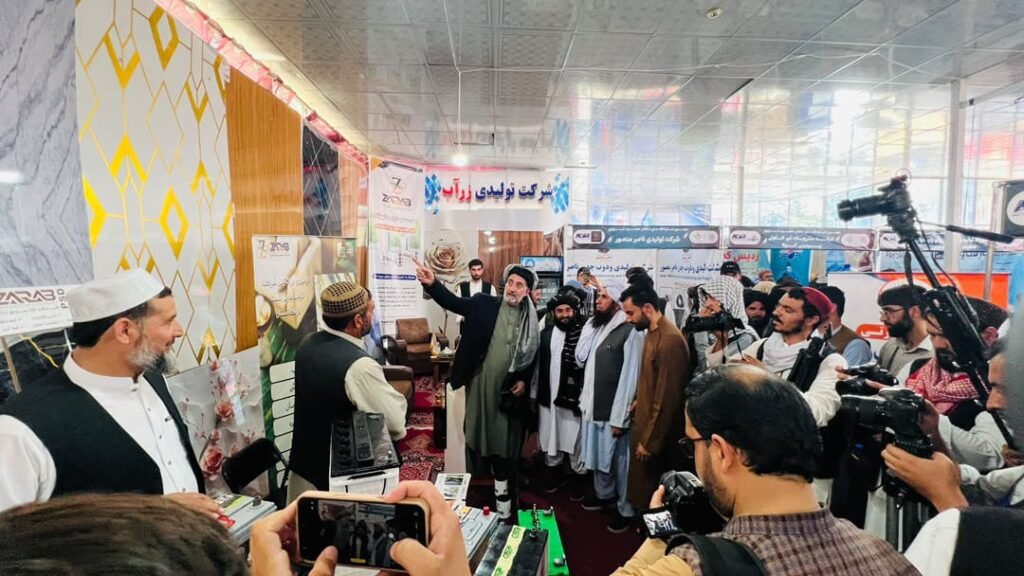
Event owners and organisers
Teams identifying the legal or institutional requirements relevant to an exhibition concept.
Institutional liaison contacts
Authorised representatives coordinating invitations, programme participation or official communications.
Commercial stakeholders
Exhibitors and sponsors needing accurate information about whether an event has received a particular approval.
Scope, Responsibilities & Approvals
A good proposal makes included coordination, external responsibilities and unconfirmed matters visible before anyone commits.
Administrative liaison
Document coordination, communication and recordkeeping may form part of an agreed project role where authorised.
Authority decisions
Permits, approvals, endorsements and legal interpretations remain with responsible official bodies and qualified advisers.
Public claims
Do not describe an application, informal conversation or provisional document as blanket permission to organise exhibitions.
What to Prepare Before Enquiring
Providing the right details at the start helps identify relevant options and prevents misunderstandings about the scope, prices or approvals.
- Event concept, location and proposed dates
- Event owner and authorised institutional contact
- Relevant documentation and known approval requirements
- Existing letters or responses from competent authorities
- Proposed official participants, programme and protocol needs
- Permitted public wording and evidence of consent to publish
Who this service is for
Organisers, participating institutions and stakeholders whose events involve official coordination.
Service scope
Approval checklists, stakeholder correspondence, official invitations, protocol requirements and coordination responsibilities.
What to prepare
Identify the relevant authority, event scope, location and documents required before making public claims.
How to get started
Clarify requirements, submit or coordinate agreed documents through authorised channels and confirm decisions in writing.
Related services
What to Expect After Your Enquiry
Identify applicable rules and competent authorities, verify the organiser’s authority, prepare agreed documents, coordinate official correspondence and communicate only confirmed decisions.
Commercial Value & Practical Boundaries
Clear responsibility boundaries help organisers avoid confusing commercial planning with official permission. Government decisions remain exclusively with the responsible authorities.
Important Planning Considerations
These practical decisions are frequently overlooked when services are described only as broad promises.
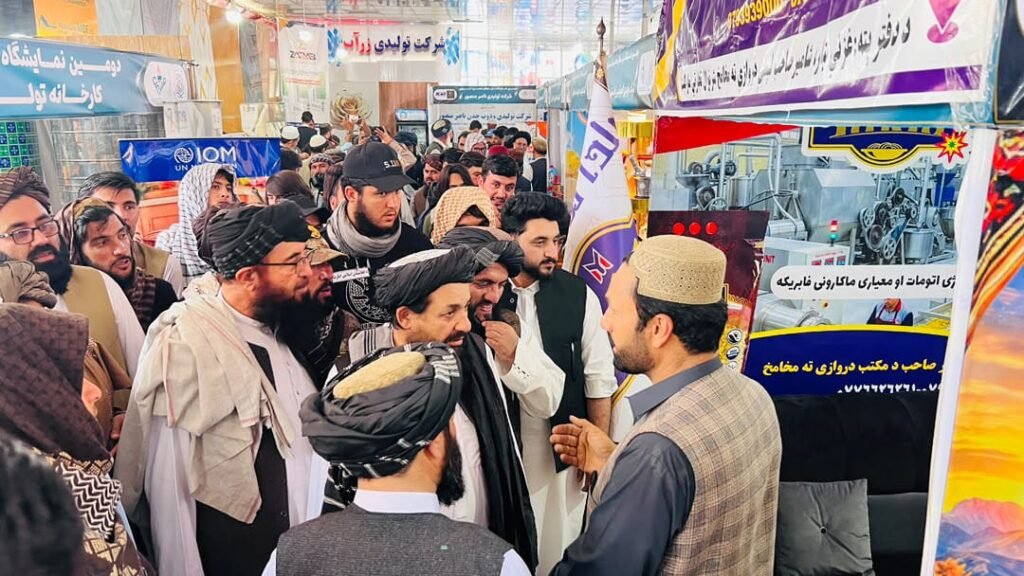
Document-specific authorisation
The scope, dates and entity named in a decision matter. Permissions for one exhibition should not be extended to unrelated events.
Official identity
Institutional names, emblems and endorsements need correct permission before appearing in commercial materials.
Status transparency
Stakeholders should know when a document is requested, pending, conditional or formally issued.
Tracking Institutional Participation Requests
An organiser inviting an institution should identify the authorised sender, the requested role, supporting event facts and the office responsible for a response. A correspondence log helps distinguish requests from decisions.
Planning detail
Record documentary responses and any publication conditions. Do not present an invitation, submission or liaison activity as approval, attendance or endorsement.
Discuss this scope
Use the proposal form to explain your event and the decisions you need help coordinating. This example illustrates the planning approach; availability and service terms require a specific proposal.
Frequently Asked Questions
Does Amu Elite have approval to organise every exhibition?
No general or blanket authorisation is claimed. Any permission must relate to the applicable legal framework and specific event documentation provided by the responsible authority.
Can the company guarantee a government permit?
No. The relevant authority decides whether an application meets its requirements. Submission or liaison does not guarantee approval or a particular processing time.
Can official institutions be invited to take part?
Invitations and participation requests may be coordinated where appropriate, but attendance or endorsement should never be implied before a documented acceptance.
Who should provide approval documents for a website announcement?
The event organiser should supply verifiable approval details and authorise what may be published. Commercial pages should not state that a permit exists without supporting evidence.
What happens when an event condition changes?
The responsible organiser should review affected permissions and communications, obtain required updates and notify exhibitors or partners of verified changes.
Does Amu Elite hold blanket government approval?
No blanket authorisation is claimed; approvals must be verified for each event.
Can you guarantee a permit?
No. Decisions remain with the relevant competent authorities.
Who determines which government approval is required for an exhibition?
The applicable legal framework and competent authorities determine the necessary approvals. The organiser should verify requirements for the specific activity, location and circumstances before treating an event as authorised.
Does correspondence with an authority count as permission?
No. An enquiry, meeting, submitted application or acknowledgement of receipt is not necessarily a permit. Only the relevant authority can issue the decision required under the applicable rules.
Can one event permission be used for another exhibition?
Do not assume that. A decision may be limited by organiser, purpose, place, dates or conditions. The scope should be checked against the exact document before applying it to a different event.
Who may sign an official exhibition application?
The responsible party must have the necessary authority under the applicable requirements. Event coordination does not by itself create legal signing authority for another organisation or public body.
Can government departments be listed as partners before confirmation?
No. Publication of an institution as a partner or sponsor should be based on documented authorisation and the precise role accepted. Receiving an invitation or speaking informally is not sufficient.
How should official invitations be prepared?
Use the authorised organiser’s identity, factual event information, a specific requested role and an appropriate official channel. Invitation wording should avoid implying attendance or endorsement before acceptance.
Are ministry logos permitted on exhibition advertising?
Government or institutional marks require applicable permission and appropriate usage. A commercial event should not reproduce official emblems to imply approval without evidence.
What should a record of official coordination contain?
Capture the event reference, authorised contact, submission date, document version, response status, conditions and follow-up owner. Keep accurate records and distinguish informal discussion from formal decisions.
How should pending applications be described on the website?
State only what can be substantiated and avoid suggesting approval is inevitable. If public disclosure is appropriate, describe the application as pending and do not market packages as government-endorsed.
What if a permission includes conditions?
The organiser should identify who is responsible for satisfying each condition and whether the planned programme, venue or schedule must change. Do not imply that conditional permission covers unrelated activities.
Can official speakers join a privately organised industry forum?
Participation may be requested through authorised channels. Names, titles, programmes and institutional affiliations should be published only after the relevant approvals and confirmations are received.
Does Amu Elite guarantee permits or institutional attendance?
No. The company cannot guarantee a decision by an authority or a public official’s attendance. A coordination proposal must describe its actual administrative scope and responsibilities.
How should changes to the event be communicated to authorities?
Determine whether the revised date, venue, activity or organiser requires further approval. Follow the applicable official process and update exhibitors and partners only with verified status information.
Related Exhibition Services
Related services: Exhibition Organisation & Management · Venue Planning & Exhibition Operations · Conferences & Business Events. For a written scope or proposal, contact our team.
Discuss Your Institutional Coordination Requirements
Define institutional responsibilities and event-specific approvals without overstating government authorisation or endorsement. Send an event-specific enquiry to discuss the relevant scope and available next steps. Commercial terms and approvals require confirmation.
General: info@amuelite.com · Partnerships: partnerships@amuelite.com · +93 79 371 4754