
Exhibition Management in Afghanistan
A practical plan for exhibitions that brings the right businesses, buyers and institutions into one coordinated event.
Exhibition management involves far more than reserving a hall. A useful brief defines why the exhibition should happen, who should participate, which approvals and operating arrangements are needed, and how an exhibitor will experience the event from enquiry to breakdown. Amu Elite discusses each element against the actual event concept and the responsibilities agreed in writing.
What the Service Can Deliver
Exhibition management involves far more than reserving a hall. A useful brief defines why the exhibition should happen, who should participate, which approvals and operating arrangements are needed, and how an exhibitor will experience the event from enquiry to breakdown. Amu Elite discusses each element against the actual event concept and the responsibilities agreed in writing.
Exhibition feasibility & concept
Translate the initial idea into an event brief identifying industry scope, preferred city, relevant participant types, tentative dates, audience strategy and important dependencies. Separate confirmed facts from assumptions before publishing or selling space.
Commercial participation framework
Define enquiry paths, exhibitor categories, potential sponsorship inventory, booking requirements and the key information businesses need before assessing participation. Document who accepts applications and how written confirmations are issued.
Venue & operational coordination
Discuss hall capacity, floor-plan zones, circulation, supplier responsibilities, loading, signage, utilities and event-day contacts. Technical service and safety responsibilities stay with the venue and authorised specialist providers.
Event communications & delivery review
Create an information sequence for participant updates, programme changes, operational instructions and post-event action items. Agree measurable delivery checkpoints without promising buyer numbers or sales outcomes.
How We Coordinate This Service
Each phase is guided by a documented brief, agreed responsibilities and event-specific approvals. The sequence below outlines the planning approach—not a promise that unconfirmed suppliers or permissions are included.
Define objectives & constraints
Identify the industry opportunity, visitor types, event owner, proposed city, likely programme, permissions and working budget. Capture assumptions that require documentary confirmation.
Build the agreed scope
Translate the brief into a coordinated work plan: responsibilities, venue needs, exhibitor process, sponsor workstreams, supplier interfaces and decision deadlines.
Prepare participants & operations
Distribute verified information, track application and supplier dependencies, confirm access and setup instructions and escalate unresolved issues before event day.
Coordinate delivery & close-out
Use the approved event schedule and named contacts to handle agreed activities. Record operational lessons, outstanding requests and follow-up actions for stakeholders.
Who This Service Is Designed For
Different stakeholders have different decisions to make. The right plan begins with who needs the service and why.
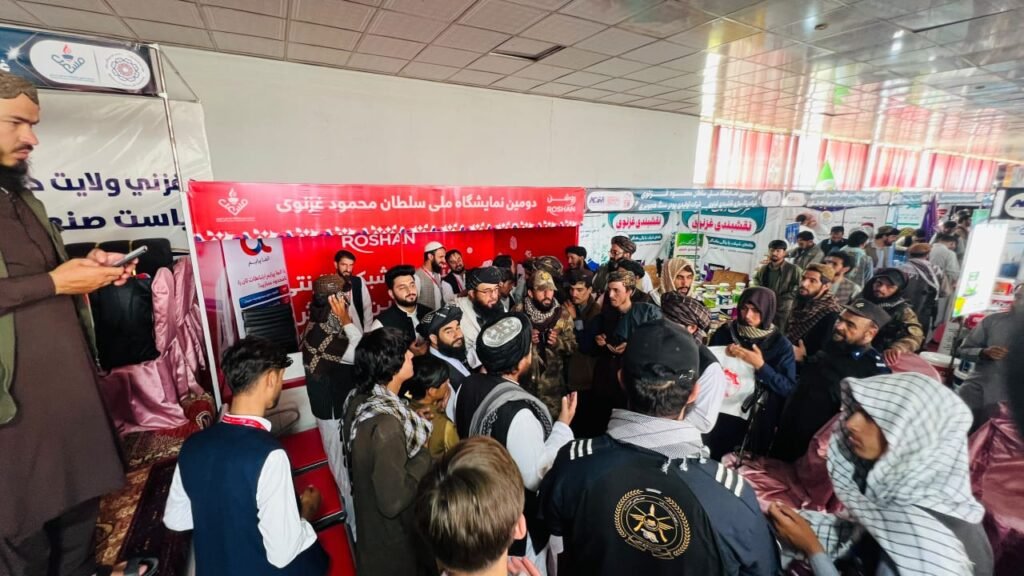
Event owners & business groups
Industry bodies, associations and business teams developing a sector-focused exhibition with a clear commercial purpose.
Producers & trade organisers
Organisers seeking structured coordination between exhibitors, service providers, sponsors, buyers and venue contacts.
Institutional stakeholders
Teams whose proposed exhibitions require defined invitation protocols, document responsibilities and verified institutional coordination.
Scope, Responsibilities & Approvals
A good proposal makes included coordination, external responsibilities and unconfirmed matters visible before anyone commits.
Coordinated work
Concept planning, application workflows, communications, operational schedules and stakeholder liaison may be defined in a service proposal.
Separate vendor services
Stand construction, equipment hire, security, interpretation, photography and transportation require expressly agreed suppliers, deliverables and budgets.
Official decisions
Approvals, endorsements and permissions remain with the competent authorities; submission or coordination is not equivalent to approval.
What to Prepare Before Enquiring
Providing the right details at the start helps identify relevant options and prevents misunderstandings about the scope, prices or approvals.
- Exhibition industry, theme and business objective
- Event owner, primary decision-maker and authorised contact
- Preferred province/city, proposed venue and tentative dates
- Target exhibitor categories and visitor audiences
- Estimated number of stands, programme areas and guest needs
- Budget assumptions, supplier commitments and approval status
Who this is for
Businesses, associations and institutions seeking an organised platform for multiple exhibitors and a defined visitor audience.
Scope to discuss
Event concept, exhibitor profile, venue requirements, floor planning, exhibitor communications, event promotion and on-site coordination. The final proposal defines the activities included.
Practical planning
Prepare an initial audience profile, preferred timing, approximate exhibitor numbers and a realistic project budget. Identify venue constraints and any approvals that need to be resolved before commitments are made.
Plan your next step
Share your objectives and constraints. Review the proposed scope and responsibilities, agree the participation or event requirements, then coordinate delivery against the agreed plan.
Related services
What to Expect After Your Enquiry
Begin with an event brief and target audience. Assess practical venue and participation constraints. Agree a written scope, schedule and division of responsibilities. Coordinate approved exhibitor communications and operational tasks. Review delivery and follow-up needs after the event.
Commercial Value & Practical Boundaries
A defined planning process makes it easier for exhibitors and partners to understand requirements, compare participation options and prepare material in time. It does not imply that any event has already been approved or that commercial results are guaranteed.
Important Planning Considerations
These practical decisions are frequently overlooked when services are described only as broad promises.
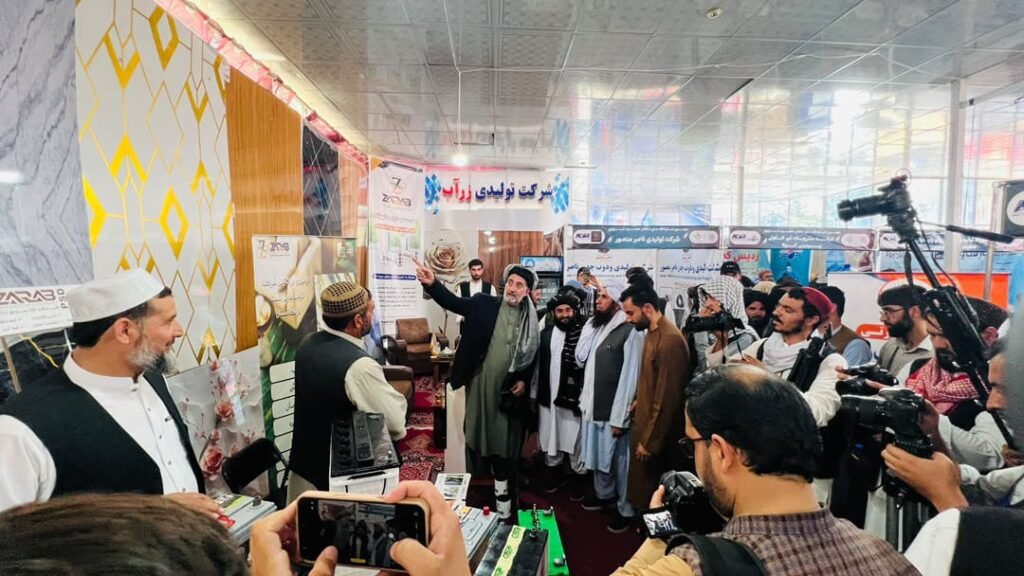
Scope creep
Changes to halls, dates, stand counts or programme features affect the floor plan, communications and supplier commitments. Record who authorises each revision.
Commercial clarity
Exhibitor packages must specify inclusions, deadlines, cancellation conditions and the written acceptance mechanism before payment requests.
Source-of-truth documents
Keep one current floor plan, participant information sheet and operating schedule. Superseded versions should not continue circulating.
Coordinating a Multi-Exhibitor Trade Event
A business group proposing a trade exhibition may need one plan connecting company applications, a workable floor plan and the visitor programme. The initial brief should identify the sector, intended buyers, proposed stand count and the party authorised to accept participants.
Planning detail
Create a responsibility schedule linking each public commitment to an approved document. Review venue and supplier dependencies before opening booth sales.
Discuss this scope
Use the proposal form to explain your event and the decisions you need help coordinating. This example illustrates the planning approach; availability and service terms require a specific proposal.
Frequently Asked Questions
When should exhibition planning begin?
Timing depends on the proposed venue, participant numbers, promotion period and approval requirements. Begin before announcing unconfirmed dates, and identify the tasks that require external confirmation.
Can you manage only part of an exhibition?
A limited coordination scope may be discussed. The written proposal should distinguish tasks Amu Elite will coordinate from activities handled by the organiser, venue, public authorities or third-party suppliers.
What should an initial exhibition brief contain?
Include the sector, target exhibitors and visitors, preferred city, approximate scale, intended programme and budget range. State clearly which details are provisional rather than confirmed.
Who obtains required government approvals?
The applicable authority determines approvals. Responsibility for preparing, submitting and monitoring applications must be agreed case by case; Amu Elite does not claim blanket authorisation.
How do you define operational responsibilities?
The proposal should identify a responsible contact for venue coordination, exhibitor information, suppliers, registration and event-day issues, together with the decision process for changes.
Is every service included automatically?
No. The proposal should clearly identify the services, responsibilities and commercial terms for your project.
Can I start before a venue or date is final?
Yes. State which details are tentative so they can be considered during the planning discussion.
What is the first document needed for an exhibition-management proposal?
A short concept brief is the starting point. Describe the sector, commercial objectives, intended participants, approximate scale, preferred location and tentative dates. Mark unconfirmed information clearly so feasibility and responsibilities can be assessed before publicity or commitments.
How should an organiser define the target exhibition audience?
Differentiate exhibitors, trade buyers, distributors, professional visitors, institutions and general visitors. Each group needs different messages, registration details and access conditions. Audience definition should come before advertising packages or forecast attendance numbers.
Can Amu Elite coordinate an exhibition with multiple participating associations?
A multi-stakeholder format can be discussed when decision rights, approval routes and communication responsibilities are explicit. One authorised lead should control programme updates and commercial terms to prevent exhibitors receiving conflicting instructions.
What makes an exhibition floor plan commercially practical?
A workable layout considers accessible circulation, visitor movement, exhibitor categories, stand dimensions, loading constraints, utilities and any reserved programme space. It must be reviewed with the venue before booth locations are represented as confirmed.
How are last-minute programme changes handled?
The organiser should define a change-approval route and a single current event information source. Material changes to dates, times, venues or participation conditions should be communicated to affected parties through the official channels already agreed.
Who owns the exhibitor and sponsor contracts?
The contracting party must be identified in each event-specific agreement. A coordination proposal should distinguish communication assistance from who legally issues the contract, receives payments and carries responsibility for the advertised package.
What information is needed before inviting sponsors?
Prepare a verified event identity, audience description, proposed programme, permitted branding inventory and deliverables. If dates or venue are provisional, identify that status in the sponsorship proposal rather than implying confirmation.
Should conferences and seminars be planned as separate workstreams?
Yes when they require speakers, schedules, equipment, translation or a different audience. Clarify the programme owner and its dependencies on the main exhibition so session changes do not disrupt booth access or visitor information.
How can exhibitors receive consistent preparation instructions?
Use an approved exhibitor information pack covering venue access, setup windows, products, permitted displays, assigned contacts and change notifications. Any technical or security restrictions should be supplied or confirmed by the responsible providers.
What determines whether the proposal can be priced?
A workable quotation requires an agreed scope, venue assumptions, dates, expected scale, supplier responsibilities and what is excluded. Undefined services or third-party charges should be listed as subject to separate confirmation.
Does event coordination include responsibility for product certifications?
No certification or trade permission should be assumed. Exhibitors remain responsible for applicable product and commercial compliance, while organisers can communicate the specific event’s presentation requirements when verified.
How is progress tracked before an exhibition?
A useful coordination tracker names each deliverable, owner, decision date, dependency and current status. Prioritise approvals, venue decisions, supplier appointments and participant communications that would otherwise block later activities.
Can a planned exhibition be promoted while approvals remain pending?
Preliminary interest can be discussed transparently, but promotional material must distinguish tentative concepts from authorised events. Do not advertise confirmed venue, permissions, packages or opening hours before documentary confirmation.
Related Exhibition Services
Related services: Exhibition Booth Booking & Allocation · Venue Planning & Exhibition Operations · Exhibitor Recruitment & Registration. For a written scope or proposal, contact our team.
Plan Your Next Exhibition With a Clear Scope
A practical plan for exhibitions that brings the right businesses, buyers and institutions into one coordinated event. Send an event-specific enquiry for details and available next steps. Packages and approvals require written confirmation.
General: info@amuelite.com · Partnerships: partnerships@amuelite.com · +93 79 371 4754